

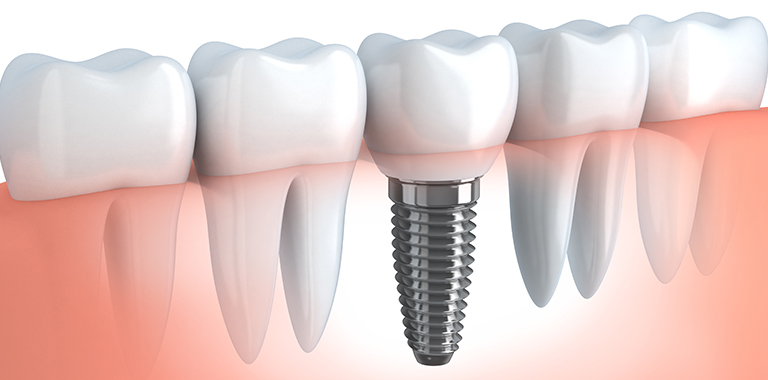
Full-mouth dental implants are increasingly discussed in London as a long-term solution for extensive tooth loss. They offer fixed replacement teeth, improved stability compared with removable dentures, and the potential to restore both appearance and function. However, this is a complex clinical procedure that requires careful planning and realistic expectations. Before committing to treatment, patients should understand what full-mouth implants involve, how they differ from other restorative options, and what factors can influence long-term success.
According to a cosmetic dentist based at MaryleboneSmileClinic at 66 Harley St, London W1G 7HD, 02071268526, patients should seek a comprehensive consultation before making assumptions about suitability. “Full-mouth implants are not a one-size-fits-all treatment,” the clinic explains. “A detailed assessment of bone levels, gum health, bite alignment and medical history is essential. Patients should ask to see digital scans and discuss alternative plans. If you would like to understand how a structured assessment works in practice, you can visit our website for an overview of the diagnostic stages and treatment pathways we use.” This early clarity often determines whether treatment proceeds smoothly or encounters avoidable complications. If you are researching options such as dental implants in London, you will quickly discover that approaches, technologies, and pricing structures vary widely across the capital. Making an informed decision requires more than comparing costs. It involves understanding your own oral health, the clinical process, and the aftercare commitments that follow.
Your Underlying Oral and General Health
The first and most critical consideration is your overall suitability for implant surgery. Full-mouth implants rely on osseointegration, the process by which titanium fixtures bond with the jawbone. For this to occur predictably, patients need sufficient bone density and healthy gum tissue. Periodontal disease, untreated decay, or chronic inflammation must be addressed before implants are placed.
General health also plays a role. Conditions such as uncontrolled diabetes, immune disorders, or heavy smoking can increase the risk of implant failure. Certain medications, including bisphosphonates, may affect bone healing. In London clinics, it is standard practice to carry out a full medical history review and often a CBCT scan to evaluate bone structure in three dimensions.
Age alone is not necessarily a barrier. Many patients in their 60s and 70s successfully undergo full-mouth rehabilitation. The key issue is biological rather than chronological age. A fit older adult with good bone quality may be a better candidate than a younger individual with advanced gum disease.
It is also important to understand that preparatory procedures may be required. Bone grafting or sinus lifting can improve the foundation for implants, but they add time and cost. Being prepared for staged treatment rather than immediate results can help avoid disappointment. A transparent clinical discussion at the outset should clarify whether you are a straightforward candidate or whether additional interventions will be necessary.
The Type of Full-Mouth Implant Solution Offered
Full-mouth implants are not a single, uniform procedure. In London, patients are typically offered one of several approaches: implant-retained bridges, fixed full-arch prostheses such as All-on-4 or All-on-6 concepts, or implant-supported overdentures. Each option has distinct structural and maintenance implications.
Fixed full-arch systems use a limited number of implants to support an entire arch of teeth. They can often be placed with angled implants to avoid anatomical structures and reduce the need for grafting. Implant-retained bridges, by contrast, may use a greater number of implants and can feel closer to individual natural teeth in terms of segmentation.
Removable implant-supported overdentures provide improved stability compared with traditional dentures but can still be taken out for cleaning. For some patients, especially those concerned about cost or manual dexterity for cleaning, this option offers a practical compromise.
The choice should depend on anatomical considerations, aesthetic expectations, and budget rather than marketing terminology. A thorough explanation of advantages and limitations is essential. Patients should ask how many implants will be placed, what material the final teeth will be made from, and how repairs would be handled if damage occurs. Understanding the structural design helps you evaluate long-term durability rather than focusing solely on the initial transformation.
Experience and Accreditation of the Clinical Team
Full-mouth implant rehabilitation requires a multidisciplinary approach. In London, cosmetic dentists often collaborate with oral surgeons, prosthodontists, dental technicians, and hygienists. The experience of the clinician placing the implants is particularly important, as surgical precision affects stability and aesthetic alignment.
Patients should ask about postgraduate training in implant dentistry, the number of similar cases completed, and complication rates. Many reputable practices provide case studies and before-and-after documentation to illustrate their work. While visuals can be reassuring, it is equally important to understand the maintenance history of those cases several years after completion.
Regulation in the UK ensures baseline professional standards, but advanced implant training is typically obtained through additional accredited courses and mentoring. Do not hesitate to ask whether digital planning software, guided surgery techniques, and in-house laboratories are used. These elements can improve accuracy and reduce chair time.
When researching a dental implant London provider, transparency is a useful indicator of professionalism. Clear communication about risks, timelines and costs often reflects a well-structured clinical process. Avoid practices that promise unrealistic speed or lifetime guarantees without clarifying conditions. Longevity depends not only on surgical skill but also on patient compliance and regular maintenance.
Financial Planning and Long-Term Value
Full-mouth implants represent a significant financial commitment. In London, comprehensive treatment can range widely depending on complexity, materials, and clinic location. Patients should receive a written treatment plan detailing surgical costs, prosthetic fabrication, sedation if required, and follow-up appointments.
It is helpful to distinguish between immediate cost and long-term value. While removable dentures may appear less expensive initially, they often require periodic relining and replacement. Fixed implant solutions, when well maintained, can last many years before major intervention is needed.
Financing options are commonly available through regulated credit providers, allowing staged payments. However, affordability should not override clinical suitability. Choosing a provider solely based on price can compromise quality of materials or laboratory craftsmanship.
Ask about what is included in the quoted fee. Are temporary teeth part of the package? How many review appointments are covered? What happens if an implant fails during the healing phase? Understanding these practical details reduces uncertainty later.
Insurance coverage for implants in the UK is limited, but some policies contribute toward restorative elements. Clarifying this in advance can help you plan realistically. A thorough financial discussion is not merely administrative; it forms part of responsible treatment planning and ensures that the decision aligns with your broader life priorities.
Aesthetic Expectations and Facial Harmony
Full-mouth implants do more than replace teeth; they influence facial structure, lip support and smile proportions. In cases of long-term tooth loss, bone resorption may have altered facial contours. Implant treatment can restore vertical dimension, improving profile balance and reducing the collapsed appearance associated with missing teeth.
However, aesthetic outcomes depend on detailed planning. Shade selection, tooth shape, and gum contour design require collaboration between clinician and dental technician. Digital smile design tools are increasingly used in London clinics to preview potential results before final fabrication.
Patients should consider how natural they want their new teeth to appear. Extremely bright shades may look artificial against mature skin tones. Equally, excessively uniform shapes can lack character. A balanced aesthetic approach generally ages better than a dramatic transformation.
Photographs, mock-ups and temporary restorations allow refinement before the final prosthesis is secured. This stage is not cosmetic indulgence but functional preparation. Proper bite alignment prevents uneven loading of implants, which could compromise longevity.
Open communication about expectations reduces dissatisfaction. Bring reference images if helpful, but remain receptive to professional guidance. The aim is a result that complements your features and functions comfortably in everyday life, from speaking clearly to enjoying a varied diet.
Healing Time, Lifestyle Impact and Aftercare
Full-mouth implant treatment is rarely completed in a single appointment. Even immediate-load protocols involve healing phases and follow-up adjustments. Swelling, temporary dietary restrictions and speech adaptation are common in the early weeks.
Patients should plan for a recovery period that may affect work or social commitments. While many return to routine activities quickly, strenuous exercise is usually limited initially. Soft food diets are often recommended during integration.
Aftercare is critical. Implants cannot decay, but surrounding gum tissue can develop inflammation known as peri-implantitis. Regular hygienist visits and meticulous home cleaning are essential. Special brushes, water flossers and interdental aids may be recommended.
Commitment to maintenance determines longevity. In London, many clinics schedule structured recall programmes with periodic radiographs to monitor bone levels. Skipping reviews increases the risk of late complications.
It is also wise to consider lifestyle factors such as smoking and bruxism. Night guards may be advised to protect implant restorations from excessive forces. Full-mouth implants are robust but not indestructible. Understanding that long-term success depends on partnership between patient and clinician helps frame the treatment as an ongoing responsibility rather than a one-time procedure.
Psychological Readiness and Informed Consent
Beyond clinical and financial considerations, psychological readiness plays an important role. Full-mouth implants can significantly alter how a person feels about their appearance and self-confidence. For individuals who have struggled with unstable dentures or missing teeth, the change can be transformative.
However, it is important to approach treatment with balanced expectations. Implants restore function and aesthetics but do not replicate the exact sensation of natural teeth. Some adaptation is inevitable. Discussing potential limitations beforehand prevents unrealistic assumptions.
Informed consent involves understanding risks as well as benefits. Although success rates for implants are high, complications such as infection, nerve disturbance or implant failure can occur. A responsible clinician will outline these clearly and provide written documentation.
Patients should feel comfortable asking questions and taking time to decide. Pressure to commit quickly is rarely justified. A measured approach allows space to consider second opinions if desired.
Ultimately, full-mouth implants can offer durable restoration and improved quality of life when carefully planned and maintained. By evaluating health status, treatment design, clinical expertise, cost structure, aesthetic planning, aftercare commitments and emotional readiness, London patients can make informed choices that align with their long-term wellbeing.
