

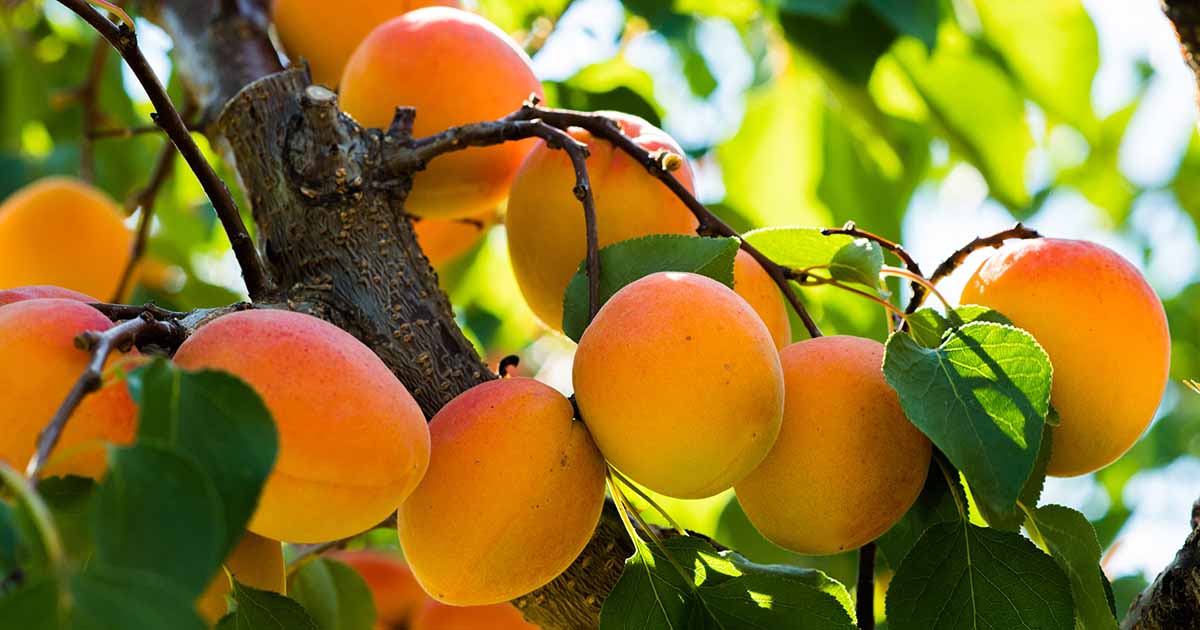
The success when growing apricot trees depends on choosing varieties adapted to cooler conditions, ensuring proper site preparation, and providing ongoing care to mitigate risks such as frost damage. This guide outlines practical steps to select and cultivate apricot trees that perform well across various British regions, from the south’s warmer spots to more exposed northern areas. By focusing on hardy cultivars and proven techniques, gardeners can achieve reliable crops without excessive effort.
The fruit trees specialists at ChrisBowers advise prioritising self-fertile varieties that bloom later in the season to avoid early frosts, which are common in the UK. They recommend exploring options suited to British soils and weather patterns, such as those in their apricot trees for sale collection, where disease resistance and compact growth are key features for smaller gardens.
Understanding the demands of British weather is essential before purchasing. Apricots originate from warmer climates but have been bred for resilience here. Factors like rainfall, temperature fluctuations, and wind exposure influence tree health and fruit set. In the south and east, milder conditions allow for freer growth, while in Scotland or the north, protection is often necessary. Aim for trees on rootstocks that control vigour and enhance hardiness.
When sourcing apricot trees, look for nurseries offering stock proven in UK trials. This ensures the plants are acclimatised and less prone to failure. Consider the tree’s mature size, pollination needs, and harvest timing to fit your space and schedule. With the right choice, apricots can provide juicy, home-grown fruit from late July to August, adding value to any garden.
The British Climate’s Impact on Apricot Trees
Britain’s climate, characterised by cool, wet winters and variable springs, requires apricot trees that can withstand occasional late frosts and high humidity. Apricots flower early, typically in March or April, making them vulnerable to cold snaps that can destroy blossoms. In regions like the Midlands or Wales, where temperatures can dip below freezing unpredictably, selecting late-blooming varieties is crucial to extend the flowering period into safer weather.
Rainfall patterns also play a role. The UK’s average annual precipitation, often exceeding 1,000mm in western areas, can lead to waterlogged soils, promoting root diseases like phytophthora. Well-drained sites are vital, and trees on raised beds or slopes fare better. Summers, though short, provide sufficient warmth for ripening in southern England, but in cooler northern climates, heat-retaining microclimates—such as south-facing walls—boost success rates.
Wind is another factor; coastal and upland areas experience gusts that can damage young growth or reduce pollination by bees. Shelter belts or fencing help mitigate this. Climate change adds complexity, with milder winters potentially encouraging earlier budding, heightening frost risk. Data from the Met Office indicates a trend towards warmer but wetter conditions, so resilient cultivars are increasingly important.
Soil temperature influences root development; apricots prefer soils warming to at least 10°C by spring. In clay-heavy British soils, amendments like grit improve drainage. pH levels between 6.5 and 7.5 suit most varieties, avoiding extremes that lock up nutrients. Testing soil beforehand prevents issues.
Overall, apricot trees suited to Britain must exhibit cold hardiness up to USDA zone 6 or equivalent, with some varieties tolerating -15°C. By matching tree characteristics to local weather data—available from sources like the RHS—gardeners can predict performance. For instance, in urban heat islands like London, standard varieties thrive, while rural Scottish sites demand hardier options. This informed approach reduces failures and maximises yields, turning potential challenges into manageable aspects of cultivation.
Key Varieties Suited to the UK
Selecting the appropriate variety is fundamental for apricot success in Britain. Among proven options, ‘Moorpark’ stands out for its reliability. This heirloom cultivar produces large, orange-yellow fruits with a rich flavour, ripening in late August. It tolerates British weather well, showing resistance to dieback, though it benefits from wall training in cooler areas.
‘Flavorcot’ is another excellent choice, bred specifically for cooler climates. Its late blooming reduces frost risk, and the fruits are sweet with a firm texture, ideal for eating fresh or preserving. Self-fertile, it requires no pollinator, making it suitable for small gardens. Yields are consistent even in variable summers, with trees reaching 3-4 metres on semi-dwarf rootstocks.
For compact spaces, ‘Tomcot’ offers early ripening fruits in mid-July, extending the harvest season. Its blossoms are frost-resistant, a boon in unpredictable springs. The apricots are large and juicy, with a tangy edge appealing to British palates. This variety performs well in pots, allowing mobility for protection during harsh weather.
‘Golden Glow’ suits northern regions, discovered in the Welsh borders and adapted to wetter conditions. It produces medium-sized, golden fruits with excellent sweetness, ripening in August. Disease resistance is high, particularly against bacterial canker, common in humid UK environments.
‘Alfred’ provides a robust option, with medium fruits ripening early August. Less susceptible to diseases, it’s ideal for organic growers. Its flavour is melting and aromatic, perfect for jams.
When browsing fruit trees for sale, compare these varieties for local suitability. Each has been trialled in UK conditions, ensuring adaptability. Consider fruit size, taste, and tree vigour—’Moorpark’ for abundance, ‘Flavorcot’ for reliability. Nurseries often provide grafted trees, combining desirable traits. By choosing based on regional climate data, such as average frost dates, gardeners secure productive trees that align with British weather patterns.
Choosing the Right Rootstock and Form
Rootstock selection determines an apricot tree’s size, vigour, and resilience in British soils. Common choices include ‘Torinel’, a semi-dwarfing rootstock tolerant of poor drainage, keeping trees to 3-4 metres—ideal for average gardens. It promotes early fruiting and withstands clay soils prevalent in much of the UK.
‘St Julien A’ is another reliable option, semi-vigorous and suited to freer-growing trees up to 5 metres. It enhances hardiness against cold and wet conditions, making it popular in northern areas. For dwarf forms, ‘Pixy’ restricts height to 2-3 metres, perfect for patios or containers, though it requires fertile soil to avoid stunting.
Tree forms influence management. Bush forms are straightforward for open ground, allowing natural spreading. Fan-trained trees, grown against walls, maximise warmth and protection, essential in cooler climates. Cordons or espaliers save space and facilitate netting against birds.
Compatibility matters; ensure the scion (variety) grafts well to the rootstock for strong unions. In Britain, where winters can stress grafts, certified stock from reputable sources minimises risks.
When evaluating fruit trees for sale, check rootstock details to match your site’s conditions—’Torinel’ for heavy soils, ‘St Julien A’ for versatility. Consider ultimate size to avoid overcrowding; dwarf forms suit urban plots, while vigorous ones fit larger estates.
Training young trees shapes their future. Prune in summer to control growth and encourage fruiting wood. Forms like fans require tying to supports, enhancing air circulation and reducing fungal issues in humid weather. By selecting appropriately, gardeners ensure trees that not only survive but flourish, yielding quality apricots year after year.
Site Selection and Soil Preparation
Optimal site choice is critical for apricot trees in Britain. South-facing positions capture maximum sunlight, essential for ripening—aim for at least six hours daily. Sheltered spots, protected from north or east winds, prevent blossom damage; fences or hedges provide effective barriers without shading.
Avoid low-lying areas prone to frost pockets, where cold air pools. Elevated sites or slopes promote air drainage, reducing risk. In urban settings, walls retain heat, mimicking warmer microclimates; rural gardeners might use polytunnels for added protection.
Soil preparation begins with testing pH and structure. Apricots prefer well-drained, loamy soils; incorporate organic matter like compost to improve heavy clays. Add grit or sand for drainage, targeting a depth of 60cm to accommodate roots.
Nutrient balance is key—apply balanced fertiliser in spring, avoiding excess nitrogen that promotes leafy growth over fruit. Mulching with bark suppresses weeds and retains moisture, crucial during dry spells.
For container growing, use large pots with John Innes No. 3 compost, ensuring drainage holes. This suits balconies or movable setups in variable weather.
When sourcing fruit trees for sale, inquire about site recommendations to align with your location. Proper preparation—digging wide holes, incorporating mycorrhizal fungi for root establishment—sets the foundation for healthy growth. By addressing these elements, trees establish quickly, resisting British weather’s challenges and delivering consistent crops.
Planting and Initial Care
Planting apricot trees requires timing and technique for establishment in British conditions. Bare-root trees are best planted November to March during dormancy; container-grown can go in year-round, avoiding frozen ground.
Dig a hole twice the root spread, loosening soil at the base. Position the tree at the same depth as nursery growth, spreading roots evenly. Stake for support against winds, using ties that allow movement.
Water thoroughly post-planting, maintaining moisture without waterlogging. In first-year springs, irrigate during dry periods to aid budding.
Pruning initially shapes the tree—remove damaged branches, aiming for an open goblet form. Summer pruning minimises disease entry compared to winter cuts.
Fertilise sparingly in year one; a light application of potash encourages fruiting. Monitor for pests like aphids, applying organic controls if needed.
Protection is vital; fleece covers guard against late frosts. Netting prevents bird damage to buds.
When acquiring fruit trees for sale, select healthy specimens with strong roots. Initial care—regular checks for establishment signs like new growth—ensures vigor. This phase builds resilience, preparing trees for long-term productivity in the UK climate.
Ongoing Maintenance and Protection
Maintenance sustains apricot trees through Britain’s seasons. Annual pruning in July or August controls size and removes dead wood, improving airflow to deter fungi like peach leaf curl, prevalent in wet weather.
Watering adapts to rainfall; established trees need supplemental during prolonged dry summer spells, focusing on deep soaking. Mulch annually to conserve moisture and add nutrients.
Fertilising in early spring with a balanced product supports growth; potassium-rich feeds in summer enhance fruit quality. Avoid overfeeding to prevent soft growth susceptible to pests.
Pest management includes monitoring for aphids and wasps; insecticidal soaps or natural predators suffice. Diseases like bacterial canker require prompt removal of affected parts, with copper-based treatments in severe cases.
Winter protection involves wrapping trunks against rodents and applying whitewash to prevent sunscald. In colder regions, heap mulch around bases for insulation.
Pollination, though self-fertile in most varieties, benefits from hand-pollination in poor weather using a brush.
Regular inspections catch issues early, maintaining health. By integrating these practices, trees remain productive, yielding up to 20kg per mature specimen in favourable years.
Harvesting and Common Issues
Harvesting apricots occurs when fruits soften and colour fully, typically July to August. Pick by hand, twisting gently to avoid bruising; store in cool conditions for short-term use or freeze for preservation.
Common issues include frost damage—mitigate with site choice and covers. Poor fruit set often stems from inadequate pollination; encourage bees with companion planting.
Diseases like brown rot affect fruits in humid summers; remove mummified remains and apply fungicides preventatively. Root rot from poor drainage requires soil improvements.
Nutrient deficiencies show in yellowing leaves; soil tests guide corrections.
Yields improve with age, peaking at 5-7 years. Prune post-harvest to prepare for next season.
Addressing these proactively ensures sustained success. With vigilant care, apricot trees provide rewarding harvests, enhancing British gardens economically and aesthetically.
