

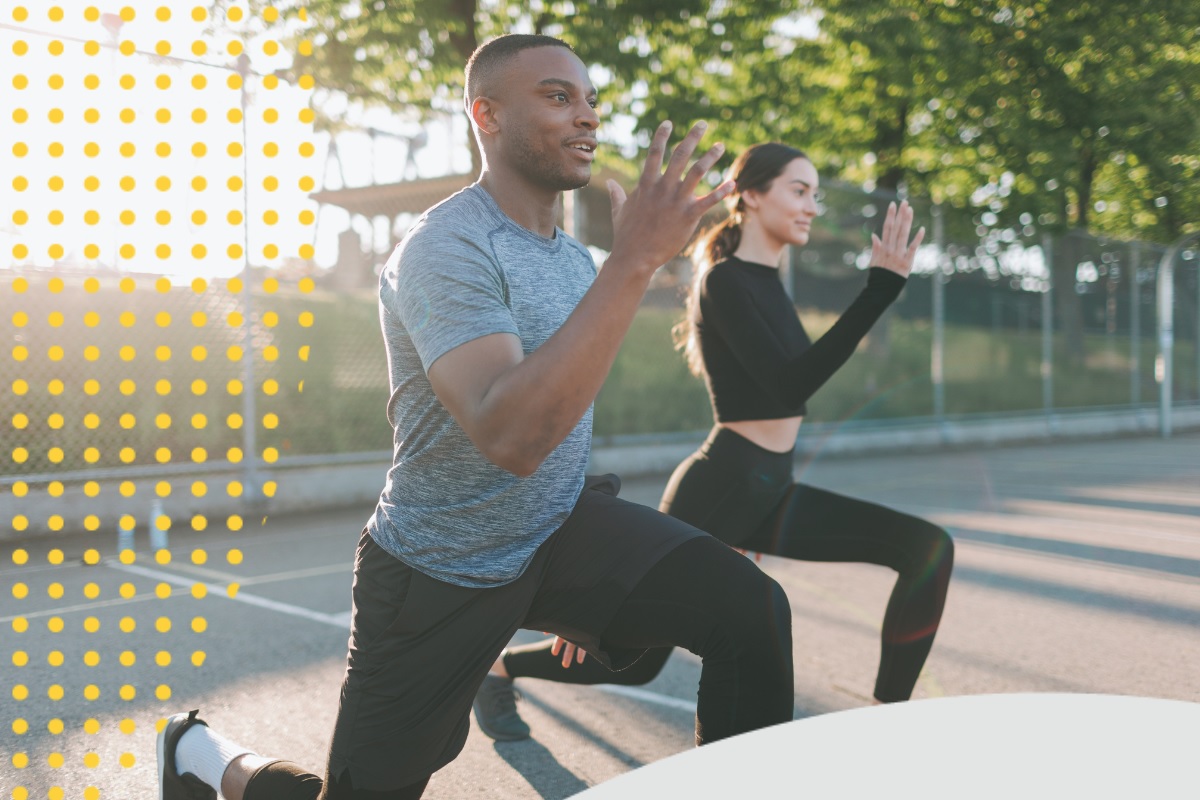
Introduction to Health and Fitness
Health and fitness are at the core of a fulfilling lifestyle, yet many people struggle to maintain balance between nutrition, exercise, mental wellbeing, and rest. Adopting healthy habits is not simply about appearance; it is about building resilience, preventing chronic disease, and enhancing overall quality of life. With a structured approach, anyone can create a sustainable routine that fosters both physical and mental health.
The Foundations of Health and Fitness
Physical Activity as a Key Driver
Exercise is the cornerstone of fitness. Regular physical activity improves cardiovascular health, strengthens muscles and bones, boosts immunity, and elevates mood. A well-rounded fitness plan should include:
-
Aerobic exercise such as running, swimming, or cycling to strengthen the heart and lungs.
-
Strength training with weights or resistance bands to build muscle mass and maintain bone density.
-
Flexibility and mobility work like yoga or dynamic stretching to reduce the risk of injury.
-
Functional training to improve balance, coordination, and everyday movement efficiency.
Nutrition as Fuel
Food plays a pivotal role in shaping health outcomes. A diet rich in whole foods provides energy, promotes recovery, and supports metabolic function. To maintain a balanced diet, focus on:
-
Lean protein sources for muscle repair and satiety.
-
Whole grains for long-lasting energy and digestive health.
-
Fruits and vegetables for antioxidants, fibre, and essential micronutrients.
-
Healthy fats such as olive oil, nuts, and avocados for brain function and hormone regulation.
Avoiding ultra-processed foods, excessive sugar, and high-salt meals can significantly reduce the risk of cardiovascular disease, obesity, and diabetes.
The Role of Mental Wellbeing in Fitness
Stress Management
Mental health is inseparable from physical health. Chronic stress raises cortisol levels, leading to weight gain, disrupted sleep, and weakened immunity. Techniques that can mitigate stress include:
-
Daily mindfulness practices such as meditation or journaling.
-
Breathing exercises to lower blood pressure and induce relaxation.
-
Outdoor activities that combine movement with nature exposure.
Sleep and Recovery
Adequate rest is often underestimated in fitness. During deep sleep, the body repairs tissues, consolidates memory, and restores energy levels. Adults should aim for 7–9 hours of quality sleep, supported by a consistent routine and a sleep-friendly environment.
Building a Sustainable Fitness Routine
Setting Realistic Goals
One of the most common mistakes is chasing rapid results. Instead, adopt a gradual approach:
-
Begin with small, achievable changes such as walking daily or reducing sugary drinks.
-
Track progress with journals or apps to stay motivated.
-
Adjust goals as you advance to avoid plateaus and maintain engagement.
Consistency Over Intensity
Sporadic bursts of exercise cannot match the benefits of consistent, moderate effort. Developing habits that fit into daily life ensures long-term adherence. This can include walking or cycling to work, short home workouts, or regular weekend hikes.
Importance of Preventive Health
Regular exercise and good nutrition are powerful forms of preventive medicine. They reduce the risk of hypertension, type 2 diabetes, certain cancers, and cardiovascular disease. Early screening and annual check-ups also play a crucial role in maintaining health, as they allow early detection of conditions that may be managed more effectively when caught early.
Fitness for Different Age Groups
Children and Adolescents
Encouraging activity in young people lays the foundation for lifelong health. Sports, outdoor play, and structured physical education classes promote bone development, coordination, and social skills.
Adults
Balancing work and personal life can make fitness challenging for adults. Prioritising time-efficient workouts, meal planning, and stress management techniques is vital for maintaining overall health.
Older Adults
As we age, maintaining mobility and muscle mass becomes essential. Low-impact activities such as swimming, Pilates, and walking help preserve independence and prevent falls. Resistance training is particularly beneficial for reducing age-related muscle loss.
Integrating Fitness into Everyday Life
Small lifestyle shifts have a big impact. Examples include:
-
Choosing stairs over lifts.
-
Preparing nutritious meals at home instead of relying on takeaways.
-
Setting reminders to stretch during long periods of sitting.
-
Staying hydrated throughout the day.
These minor adjustments accumulate into significant long-term health benefits.
Common Misconceptions About Health and Fitness
-
Myth: You need to spend hours in the gym. Short, high-quality workouts can be just as effective as lengthy sessions.
-
Myth: Carbohydrates are always bad. Wholegrain carbohydrates are essential for energy and should not be eliminated without medical reason.
-
Myth: Weight training makes you bulky. For most individuals, resistance training leads to strength, tone, and better metabolism rather than excessive muscle mass.
FAQs on Health and Fitness
How often should I exercise to see results?
For general health, aim for at least 150 minutes of moderate-intensity activity per week. For fitness improvements, add two or more strength sessions.
What is the best diet for fitness?
There is no one-size-fits-all approach. Focus on whole foods, balance macronutrients, and adjust based on individual goals and activity levels.
Can I get fit without a gym?
Yes, bodyweight exercises, outdoor activities, and home workouts can deliver excellent results when performed consistently.
How can I stay motivated long-term?
Set clear goals, celebrate progress, and find enjoyable forms of movement. Accountability through friends, trainers, or apps can also help sustain motivation.
Should I take supplements?
Supplements may support specific needs, but a balanced diet should always be the priority. Seek professional advice before starting any supplement routine.
