

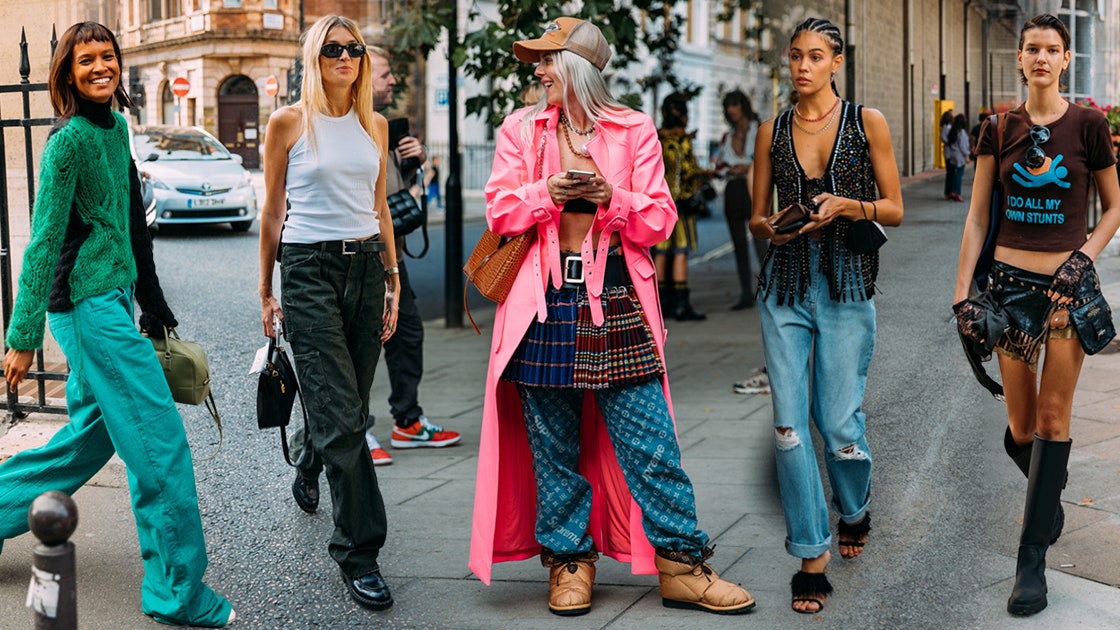
Fashion is an ever-changing conversation between individuality and society. While personal choices define a unique fashion style & trend, global influences shape what becomes mainstream. From cultural revivals to futuristic designs, the fashion landscape constantly adapts, offering a blend of innovation, heritage, and personal identity.
Understanding the Core of Fashion
Fashion is not only about clothing but also about values, emotions, and lifestyle. The way someone dresses can communicate confidence, creativity, and belonging. At the same time, global trends represent the collective spirit of the era.
Style vs Trend
-
Style: A consistent, personal expression that often remains stable.
-
Trend: A temporary movement that gains popularity for a certain time.
Together, they form the heartbeat of the fashion industry.
Key Fashion Trends of the Present
Modern wardrobes reflect a mix of comfort, sustainability, and individuality. Several notable trends dominate today’s fashion scene.
Elevated Casual Wear
Casual wear has moved beyond basics. Tailored joggers, oversized hoodies, and versatile sneakers can now be styled for both casual and semi-formal occasions.
Retro Inspirations
Designers revisit the past, with 70s flares, 80s power suits, and 90s grunge making stylish returns. Vintage thrifted finds add authenticity to this movement.
Monochrome and Neutrals
Simplistic colour palettes remain a favourite for those seeking elegance. Shades of beige, grey, and black create timeless outfits that suit multiple occasions.
Eco-Friendly Fashion
Sustainability is more than a buzzword. Consumers are turning towards recycled fabrics, biodegradable materials, and ethical brands that prioritise longevity over fast consumption.
The Impact of Media and Culture
Music videos, films, and online platforms are powerful drivers of style choices. Global icons influence millions with their outfits, while local street styles gain international recognition through digital platforms.
-
TikTok micro-trends dominate Gen Z wardrobes
-
Pinterest boards curate aspirational fashion collections
-
Music festivals set seasonal style standards
How Fashion Reflects Society
Every fashion wave tells a story about the world at that time. For example:
-
The minimalism of the 2010s reflected an economic downturn and a desire for simplicity.
-
The bold colours of recent years highlight optimism and creativity after global challenges.
Personalising Fashion
Even within global trends, personal expression remains crucial. Individual style is what makes fashion relatable and authentic.
Steps to Express Individuality
-
Combine modern and vintage elements
-
Use accessories to highlight personality
-
Invest in quality basics and rotate seasonal items
-
Follow comfort and confidence over fleeting trends
The Role of Innovation in Fashion’s Future
Technology is revolutionising the way fashion is created and consumed.
-
Virtual wardrobes help users plan outfits digitally
-
3D printing introduces custom accessories and garments
-
Artificial intelligence predicts new style waves with remarkable accuracy
Cultural Integration in Fashion
Global fashion thrives on diversity. From African prints to Asian textiles, designers borrow inspiration and adapt it to contemporary forms, creating rich cross-cultural collections.
FAQs on Fashion Style & Trend
How do trends spread so quickly today?
The combination of social media, e-commerce, and influencer marketing allows trends to go global in days rather than months.
What is the best way to build a versatile wardrobe?
Start with timeless staples like a crisp white shirt, tailored trousers, and quality footwear, then layer seasonal trends for variety.
Why is sustainable fashion important?
It reduces environmental impact, supports ethical labour, and encourages long-lasting use rather than disposable consumption.
How can accessories change an outfit?
Accessories can instantly transform a look. For example, a plain dress can become chic with a statement necklace or bold handbag.
Are fashion trends the same worldwide?
Not always. While global platforms create shared influences, local traditions and climates often shape regional differences in style.
