

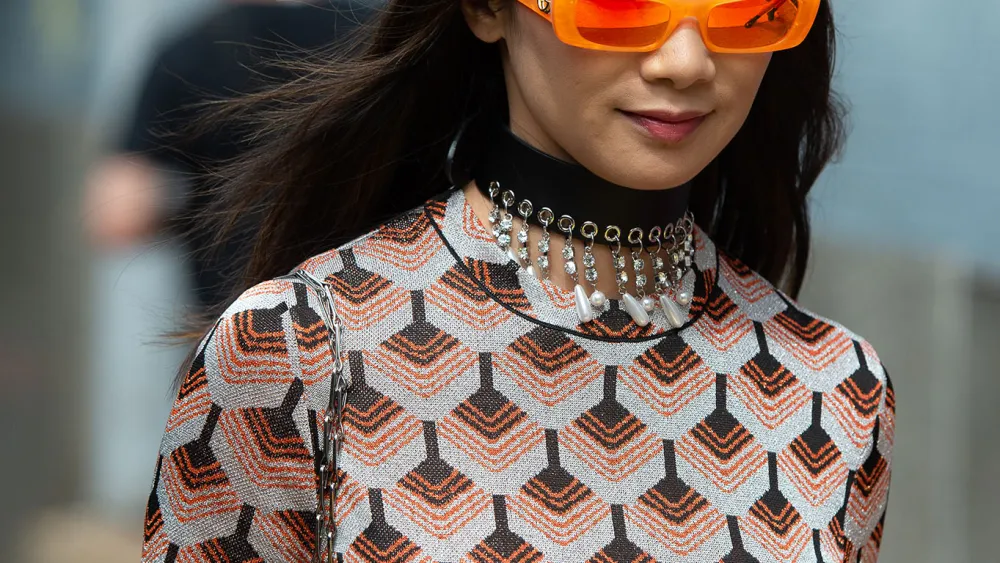
Fashion has always been more than just clothing. It is a form of expression, a cultural reflection, and a powerful way to connect with society’s ever-changing rhythm. Today, fashion style & trend plays a significant role not only in personal identity but also in shaping industries, influencing global markets, and driving cultural conversations. Understanding its impact requires a closer look at how fashion evolves, why certain styles dominate, and what influences consumer choices.
The Evolution of Fashion Trends
Fashion is cyclical. What was once popular decades ago often returns with a modern twist. From flared trousers of the 70s to oversized blazers of the 90s, styles constantly resurface.
Key Factors Driving Evolution
-
Cultural Shifts: Movements in art, film, and music often spark new fashion waves. For example, punk culture reshaped youth fashion with ripped jeans and leather jackets.
-
Technology: From fabric innovations to the rise of digital fashion shows, technology continues to redefine how trends are created and consumed.
-
Globalisation: Social media and online shopping allow trends to spread globally within days rather than months.
Fashion Styles That Dominate Today
Modern fashion is a blend of individuality and influence. While trends shift quickly, several styles have become iconic in today’s world.
Streetwear Influence
Streetwear, once limited to skate culture, is now a global powerhouse. Hoodies, sneakers, and graphic tees are no longer casual-only; they are worn on red carpets and high-fashion runways.
Minimalist Chic
The clean lines, neutral tones, and understated elegance of minimalist fashion resonate with professionals and style-conscious individuals. It embraces the concept of “less is more” while maintaining sophistication.
Sustainable and Ethical Fashion
With growing awareness of climate change, consumers are choosing eco-friendly fabrics, recycled materials, and slow fashion brands. This shift highlights a deeper connection between values and style.
Vintage Revival
Thrift shopping and vintage-inspired collections are increasingly popular. The charm of retro patterns and timeless tailoring makes these styles both nostalgic and modern.
The Role of Social Media in Trend Creation
Social media has become the most powerful tool in shaping fashion trends. Platforms like Instagram, TikTok, and Pinterest dictate what becomes popular almost overnight.
-
Influencers: A single post can spark a trend followed by millions.
-
Viral Challenges: Styling challenges and hashtag trends drive creative expression and mass adoption.
-
Community Engagement: Users share outfit inspirations, making fashion more accessible than ever before.
Seasonal Trends and Fast-Paced Fashion
Fashion’s seasonality is both exciting and challenging. Spring introduces florals and light fabrics, autumn celebrates earthy tones, while winter leans on layering and textures. However, fast fashion has blurred these boundaries, making seasonal wardrobes less distinct.
Impact of Fast Fashion
-
Affordable and accessible styles
-
Rapid adaptation of runway trends
-
Concerns over sustainability and waste
Personal Style vs. Following Trends
While trends are influential, personal style remains the cornerstone of fashion identity. Developing a personal style allows individuals to express authenticity without feeling pressured to follow every trend.
Tips for Defining Personal Style
-
Know Your Colours: Wearing shades that complement your skin tone enhances confidence.
-
Mix and Match: Blend current trends with timeless pieces for balance.
-
Comfort First: Style should not compromise wearability.
Fashion and Cultural Identity
Fashion often reflects cultural heritage and values. Traditional attire inspires modern adaptations, bridging the past with the present. Designers frequently draw from ethnic fabrics, patterns, and techniques, creating fusion collections that honour heritage while appealing to global audiences.
Technology and the Future of Fashion
Emerging technologies are reshaping fashion beyond imagination.
-
Virtual Try-Ons: Augmented reality allows consumers to try clothes before purchasing.
-
Digital Fashion Shows: Live-streamed runways bring luxury fashion to global audiences.
-
3D Printing: Customised accessories and garments made to order are gaining momentum.
FAQs on Fashion Style & Trend
What is the difference between fashion style and trend?
A fashion style is a personal or cultural way of dressing that often remains consistent, while a trend is a temporary wave of popularity within fashion that changes seasonally or annually.
Why do fashion trends repeat?
Trends repeat due to nostalgia, cultural revival, and cyclical design inspiration. Designers often reimagine past styles for modern audiences, keeping them relevant.
How can I keep up with fashion trends without overspending?
-
Follow fashion blogs and social platforms for affordable inspiration
-
Shop at thrift stores for unique finds
-
Invest in versatile basics and add trendy accessories
Is sustainable fashion more expensive?
Not always. While some eco-friendly brands are premium-priced, many offer affordable alternatives. The cost also balances out since sustainable pieces are usually longer-lasting.
How do I balance personal style with trends?
Focus on timeless staples like tailored trousers, quality denim, and classic shirts. Incorporate trends through accessories or seasonal pieces without overhauling your entire wardrobe.
Which fabrics are currently trending?
Natural fabrics such as linen, organic cotton, and bamboo are increasingly popular due to sustainability. Additionally, recycled polyester and innovative eco-friendly blends are on the rise.
